Badger Maps
Onboarding
Proposal for a new onboarding sequence for Badger Maps, a route planning and optimization app for sales teams.
Role
Product Designer
Year
2024
Overview
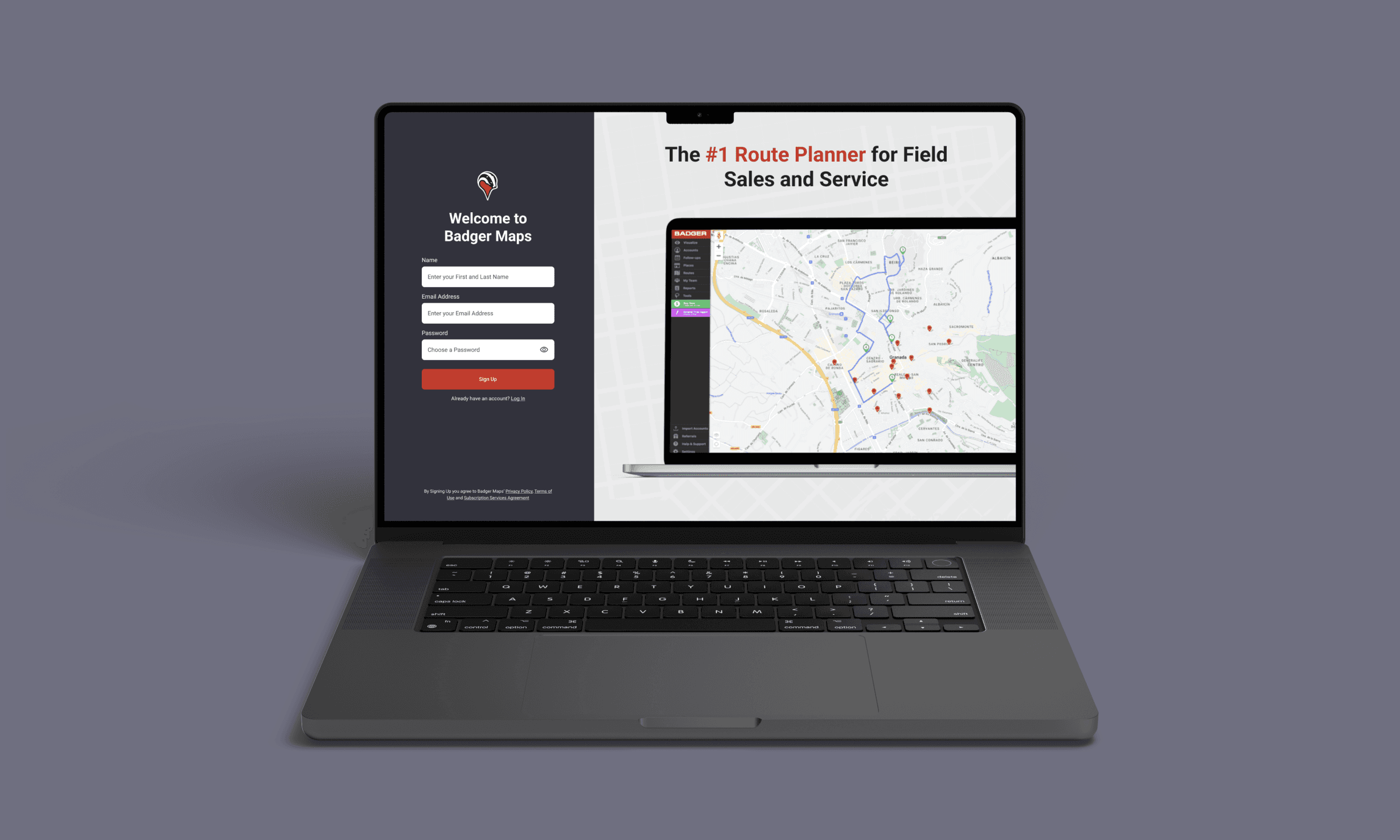
The current version of Badger Maps' app doesn't include any type of onboarding. Research showed that users had trouble navigating the app for the first time and finding key features. A new onboarding process was then proposed to improve the user experience of the app.
The images and data displayed are the property of Zenzorrito Tecnologías SLU. Zenzorrito Tecnologías SLU authorizes the use of these materials exclusively for this portfolio.
Tutorial Mode
While the older version of the app had an onboarding it was very simplified or in the case of mobile, simply non existent. Before coming up with a new proposal it was essential to analyze the existing process in order to get a clearer understanding of what worked and potential room for improvement.
The new proposal is focused on the WebApp but is designed in a way that could easily be exported to the mobile app, thus having an unified onboarding across platforms.
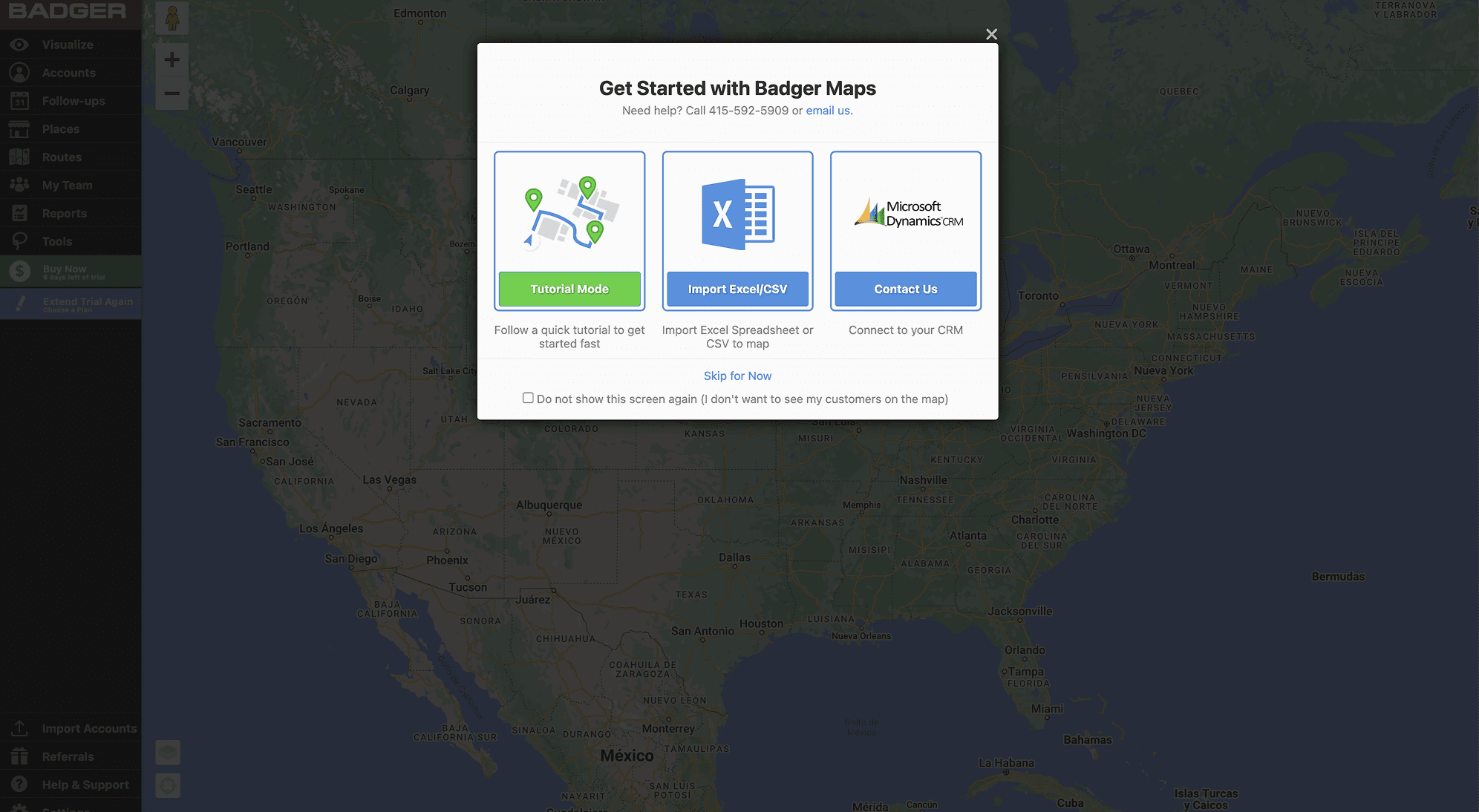
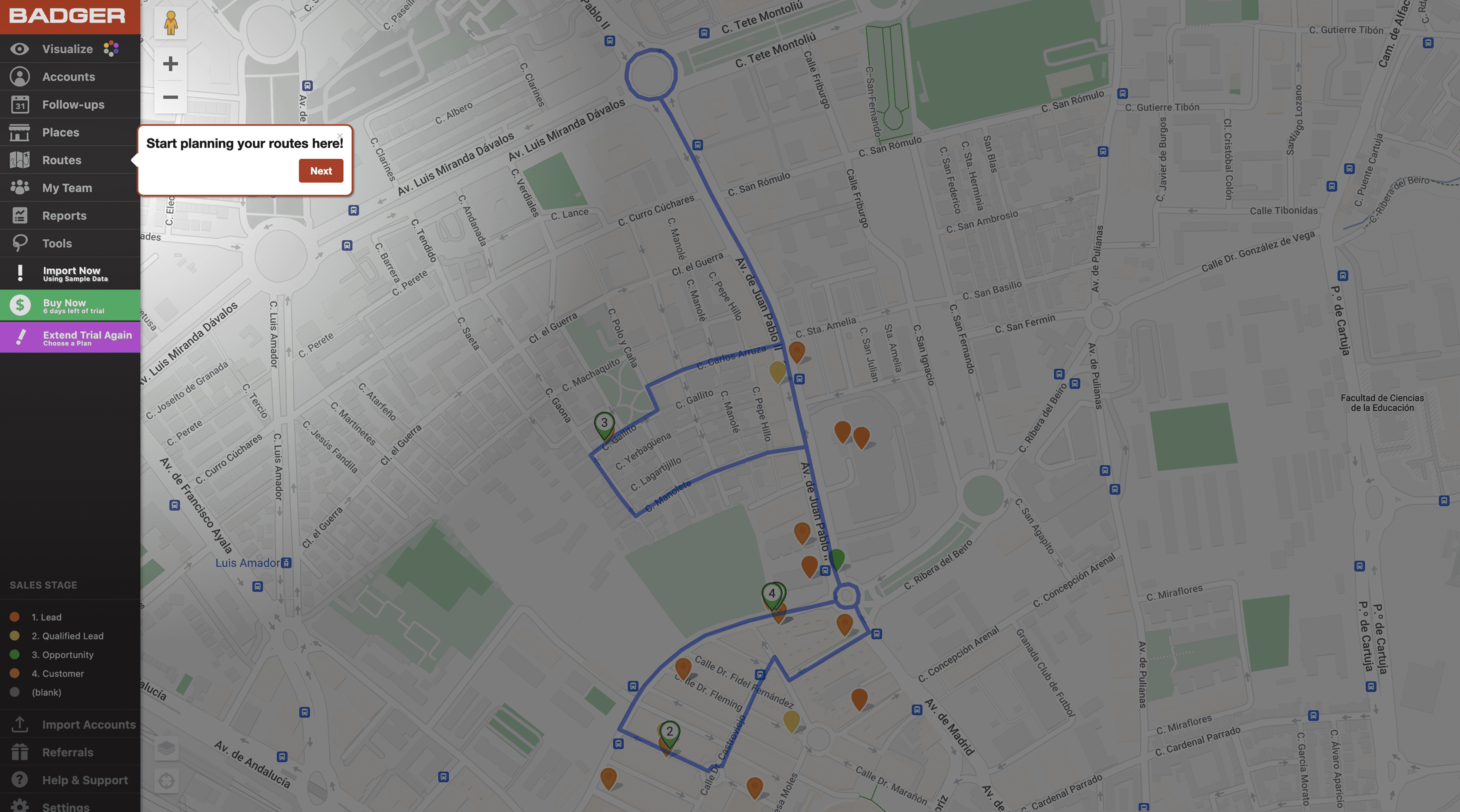
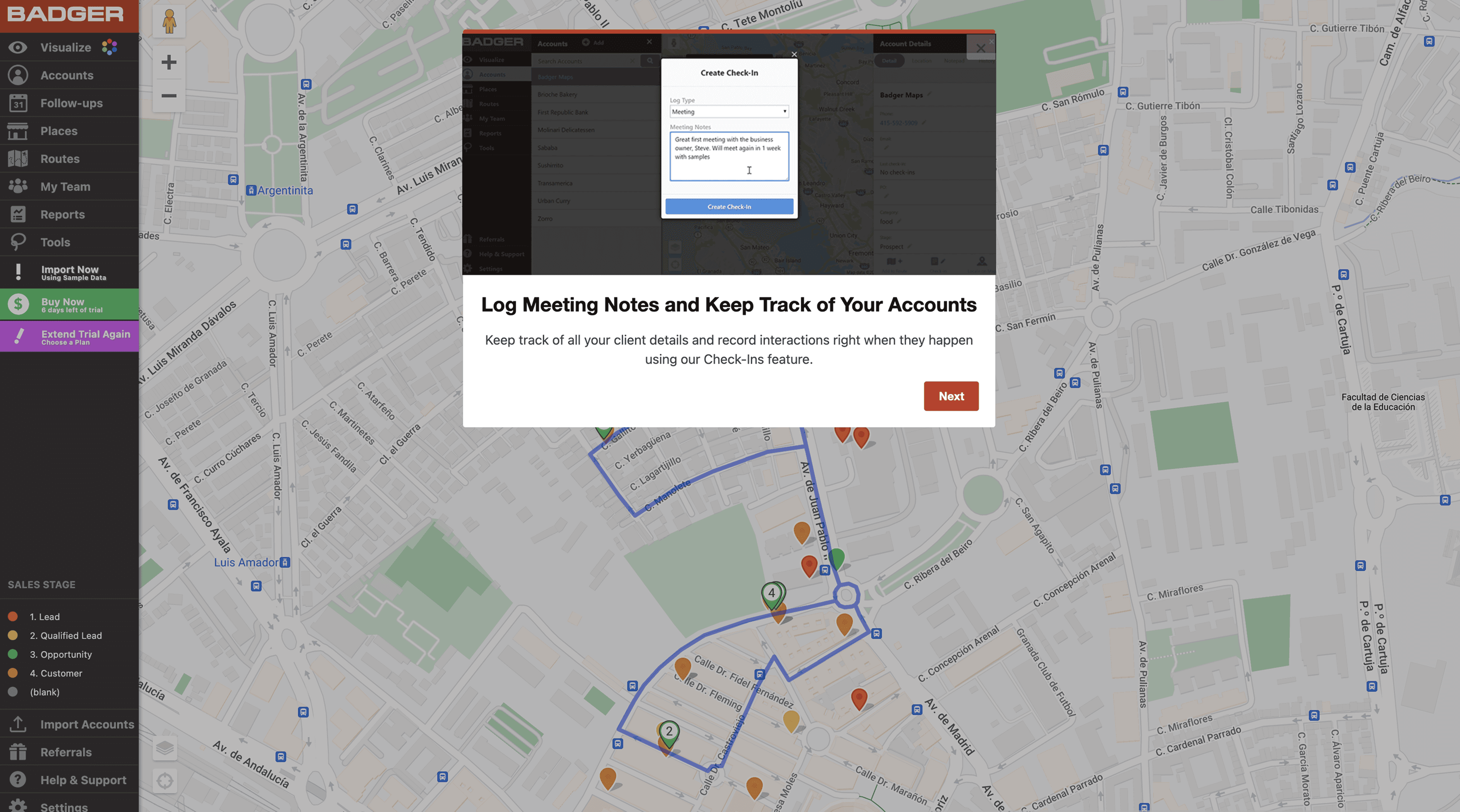
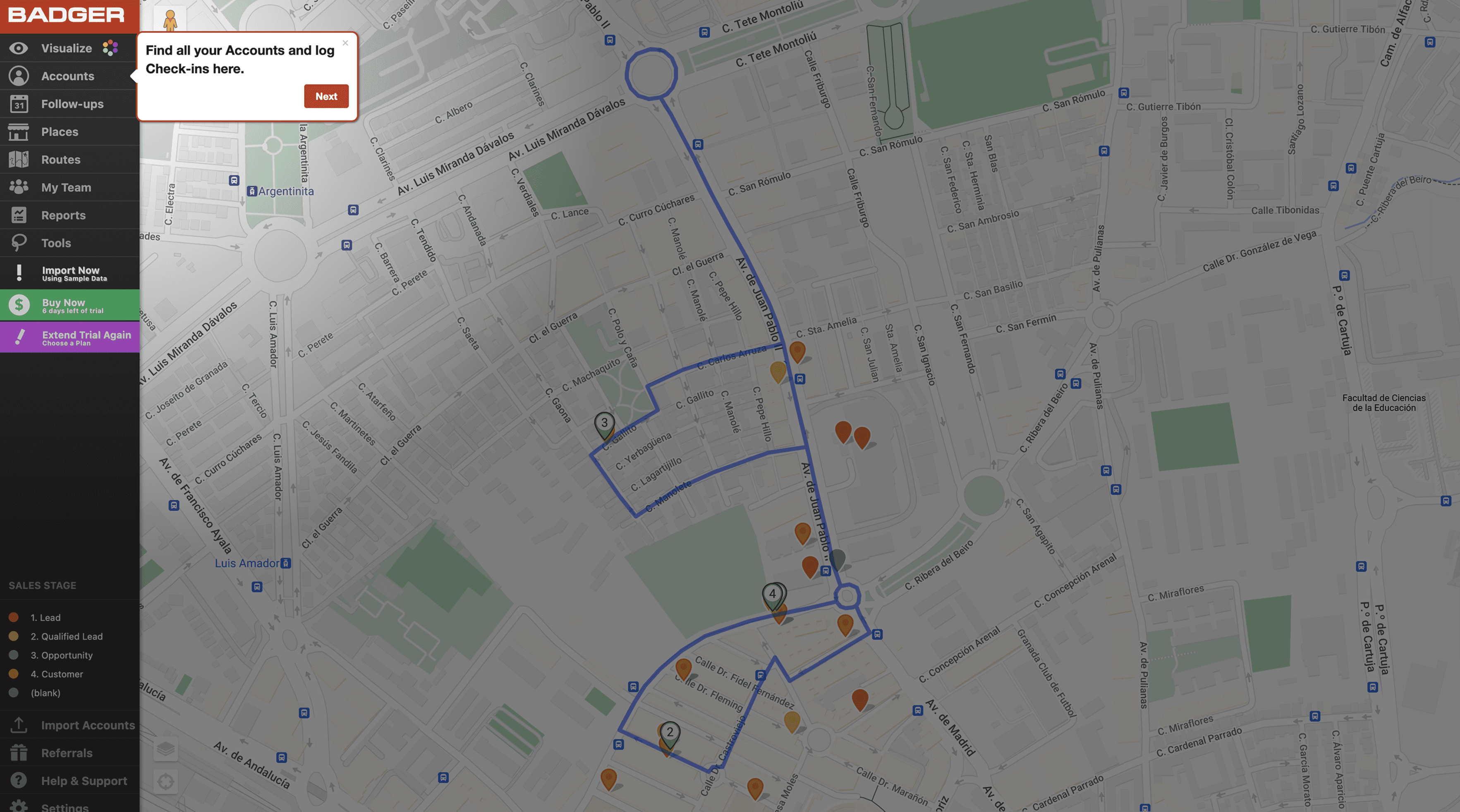
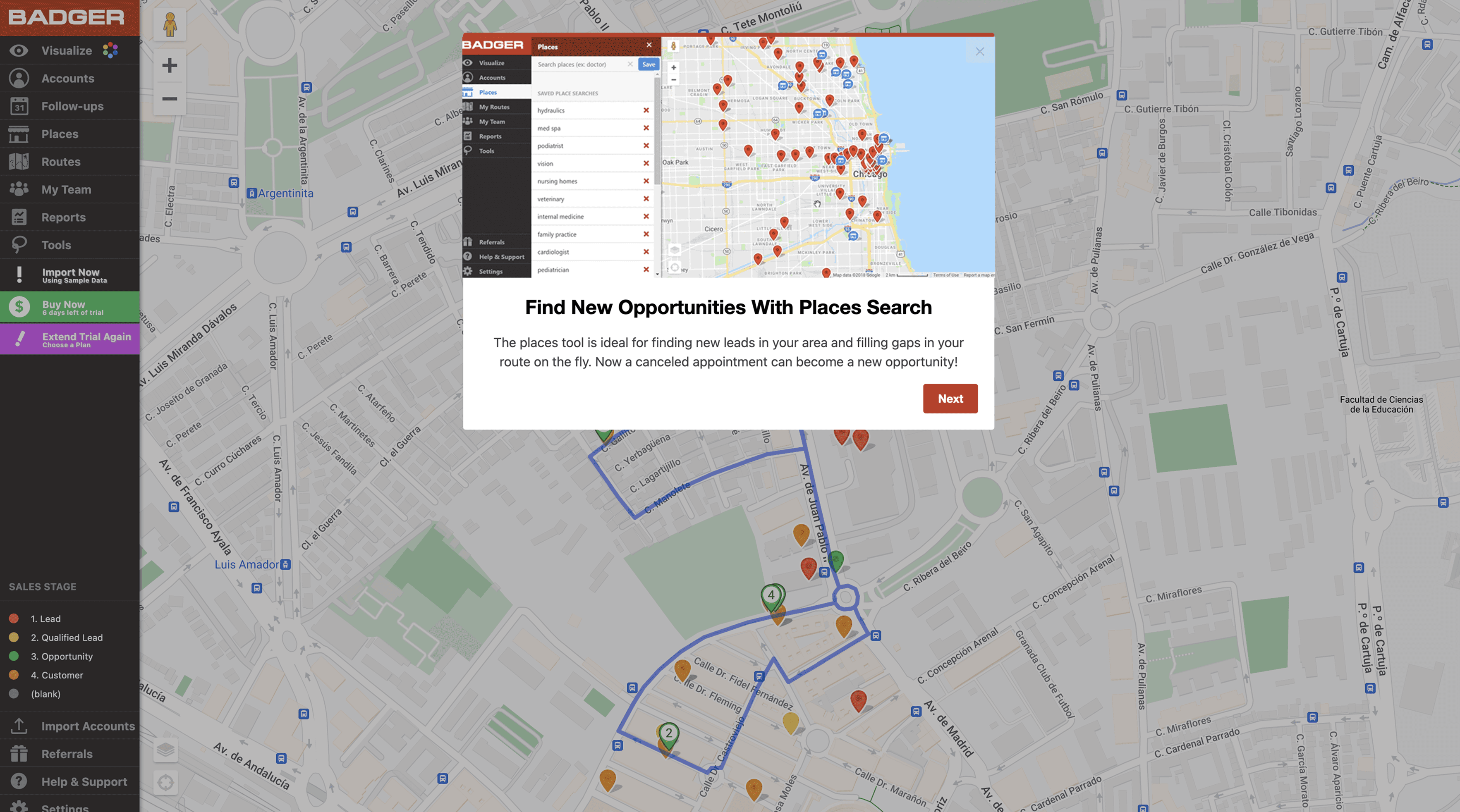
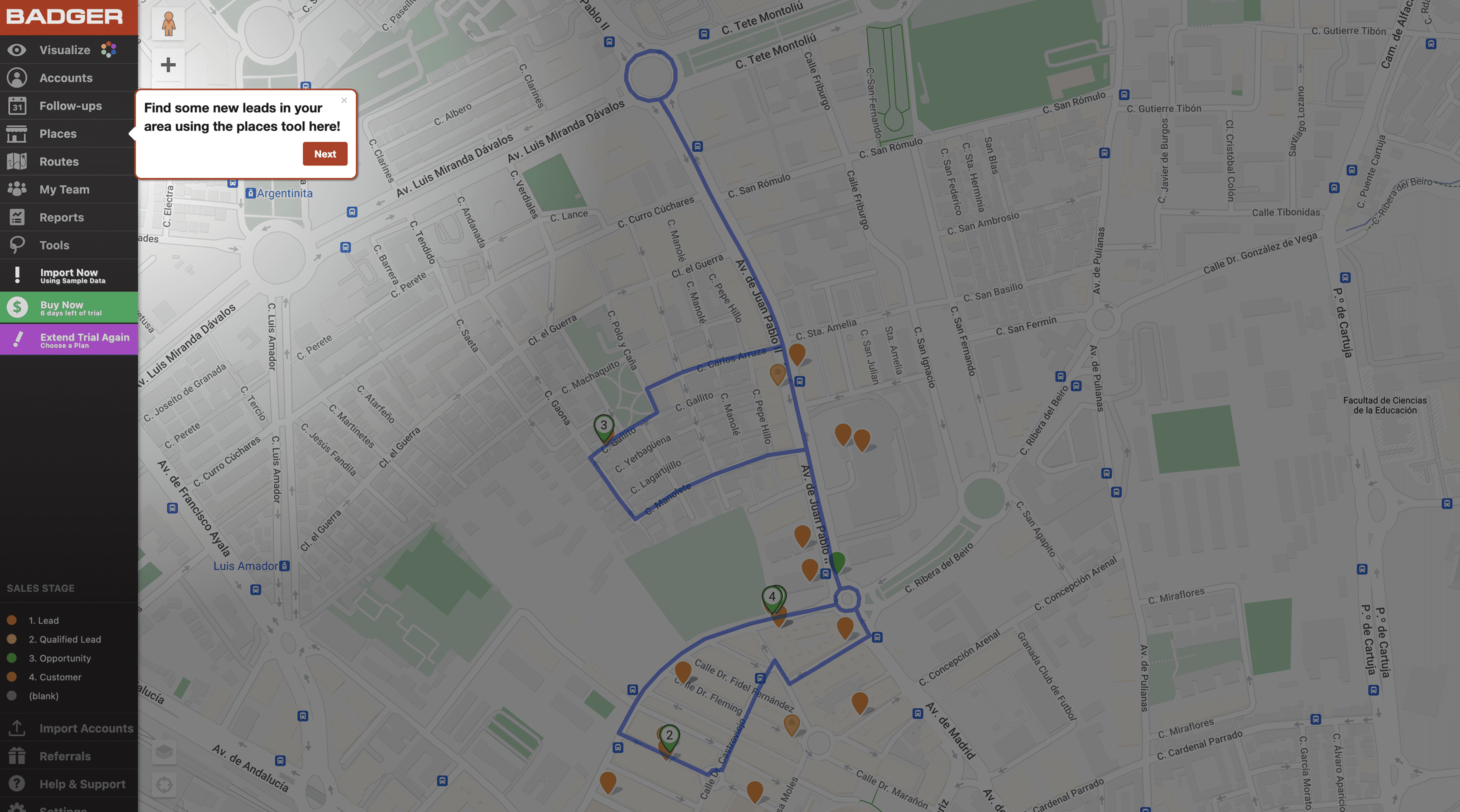
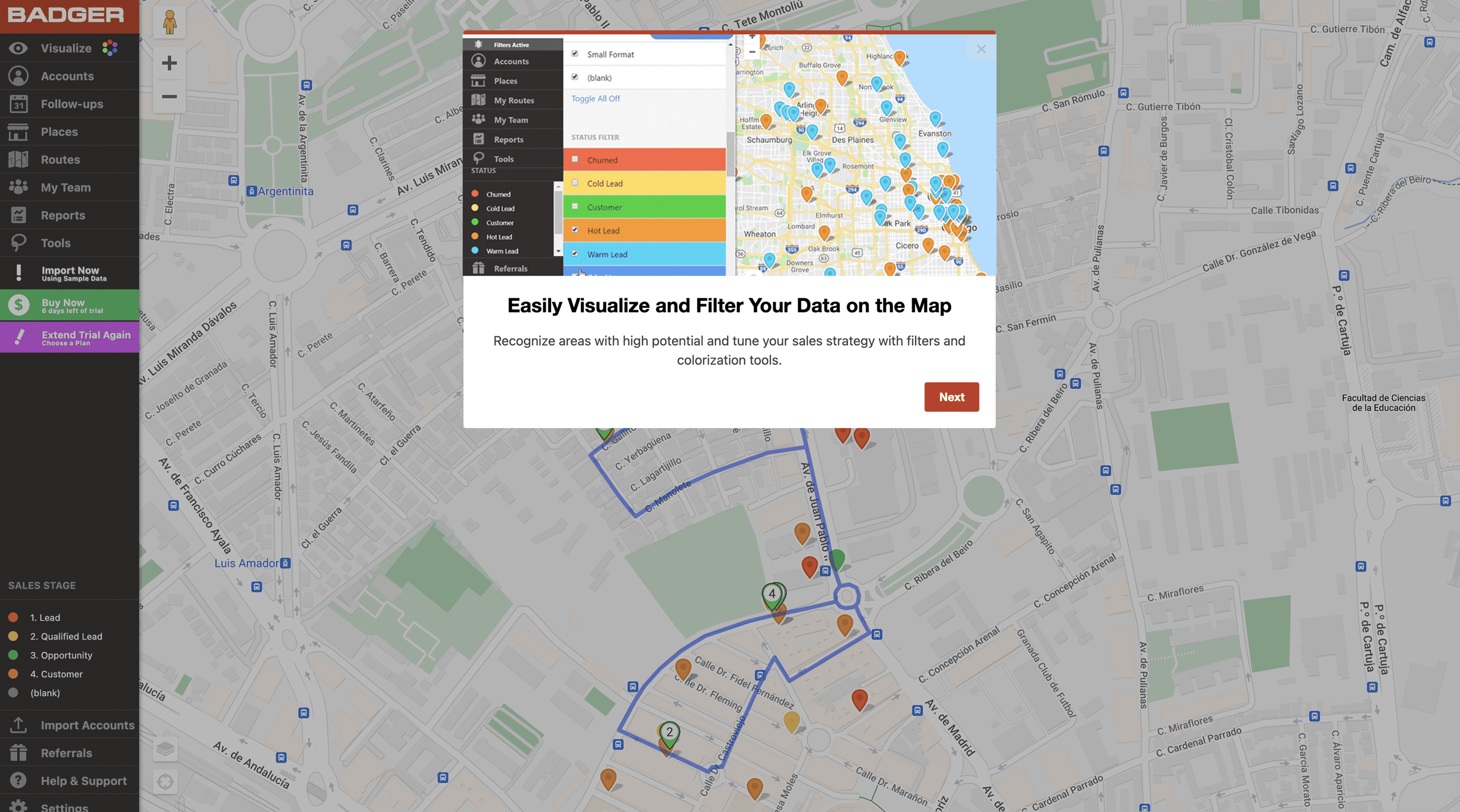
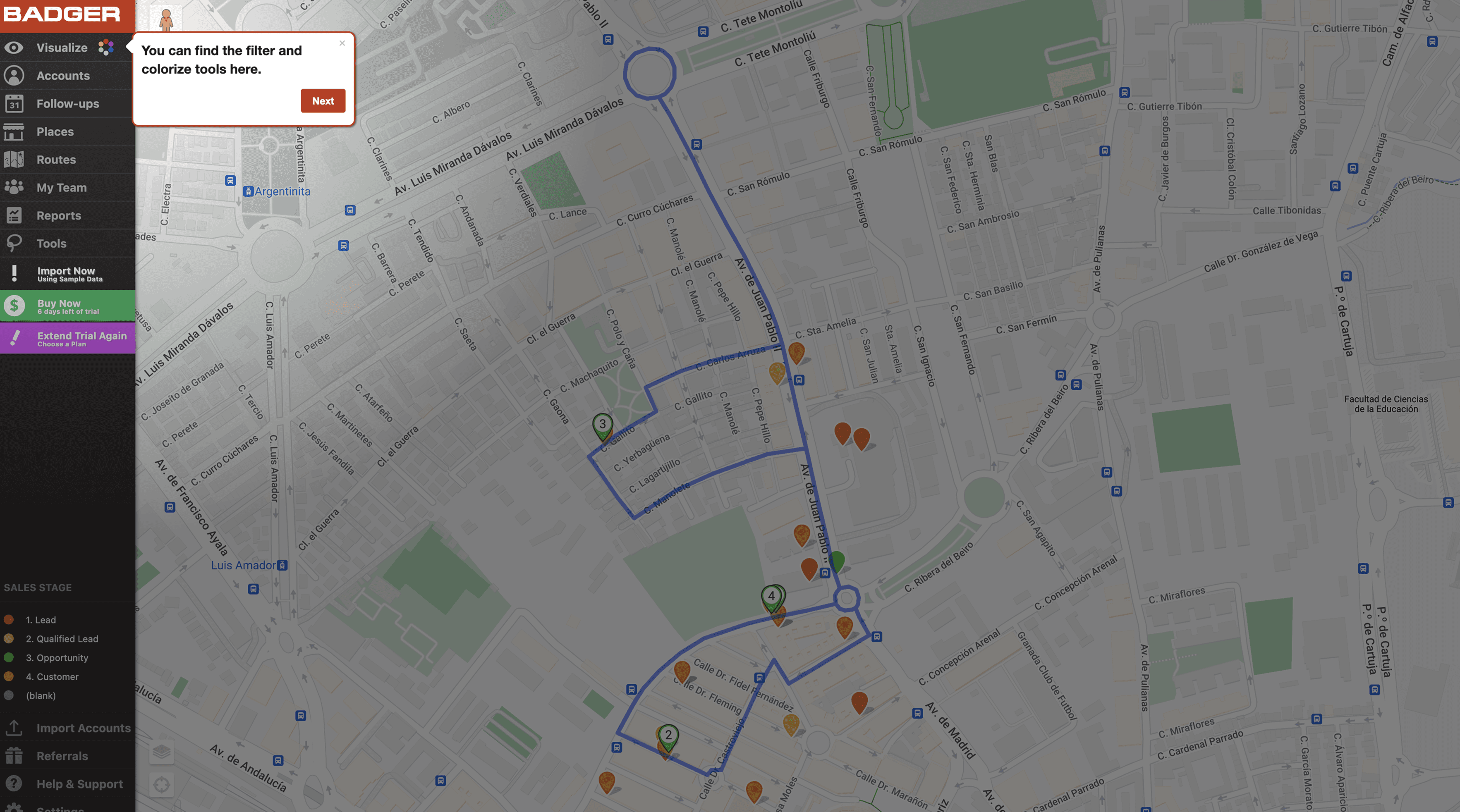
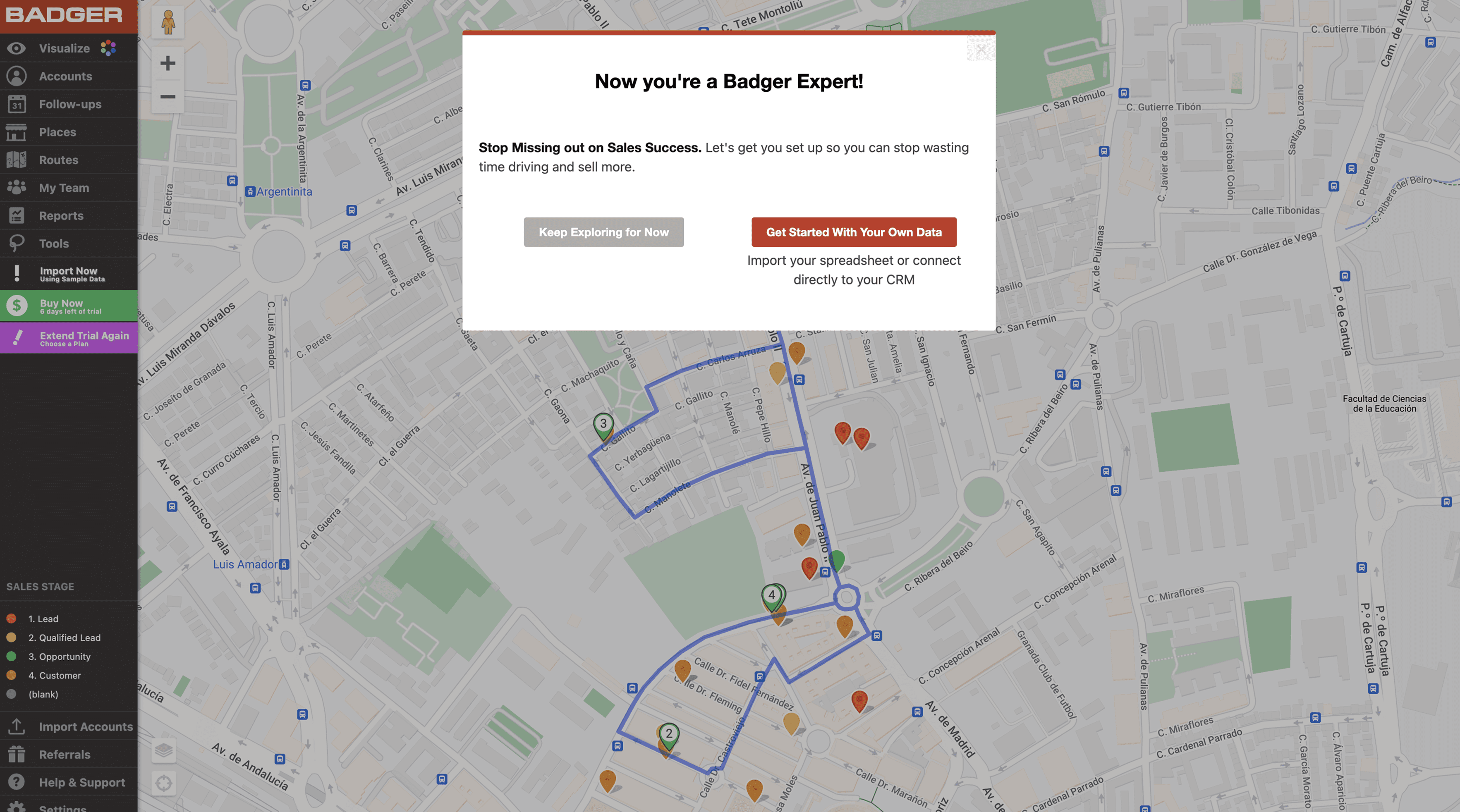
The old onboarding, labeled as 'Tutorial Mode', consisted on a fixed sequence alternating between general explanations about how the app works and detailed information about key features. One of the main issues of this process was that it dragged on too much and users didn't have any indication on how long it would take them to complete it, causing frustration and confusion.
User's interviews proved that many of them navigated through it without paying attention just so that they could finish it quickly.
A new proposal
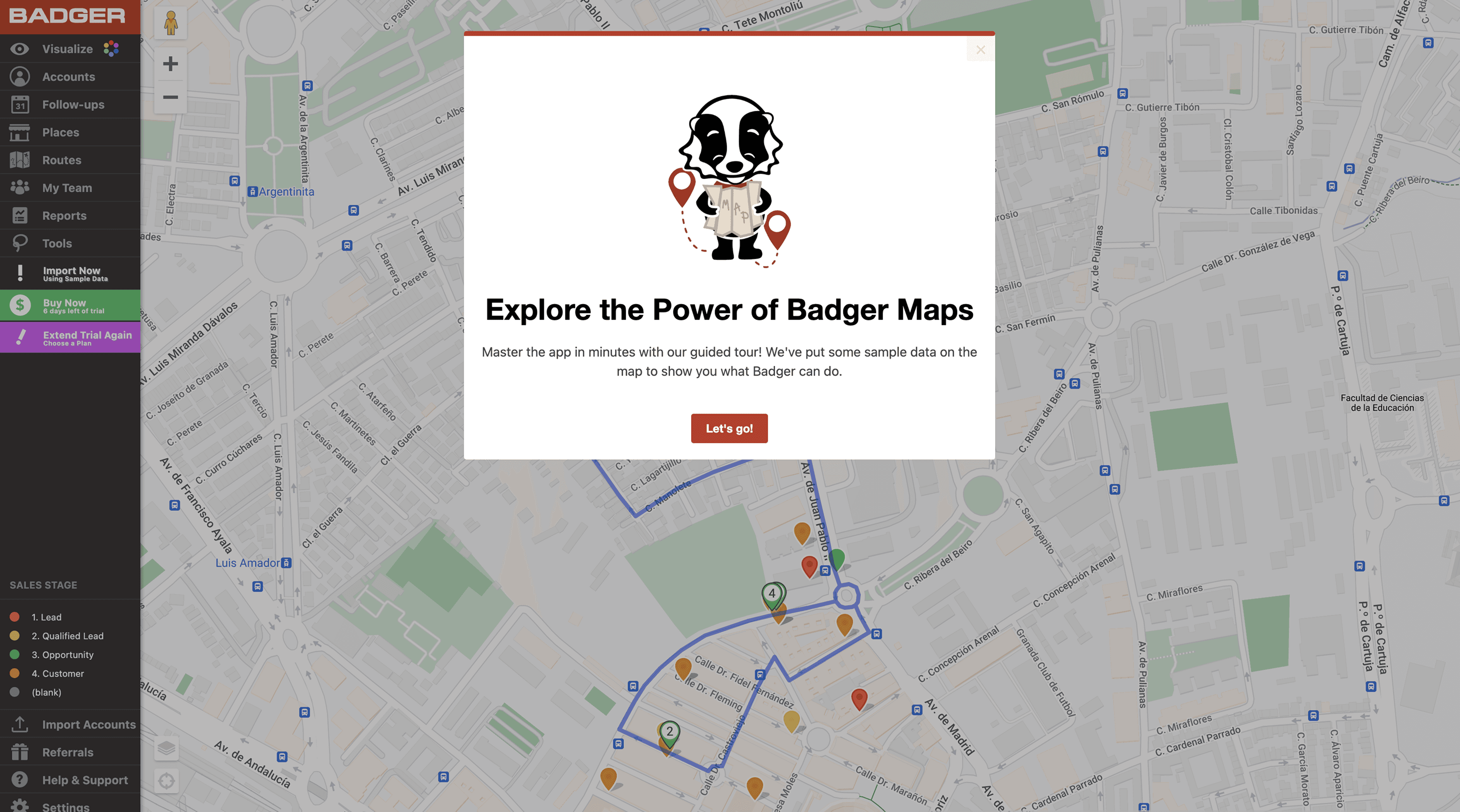
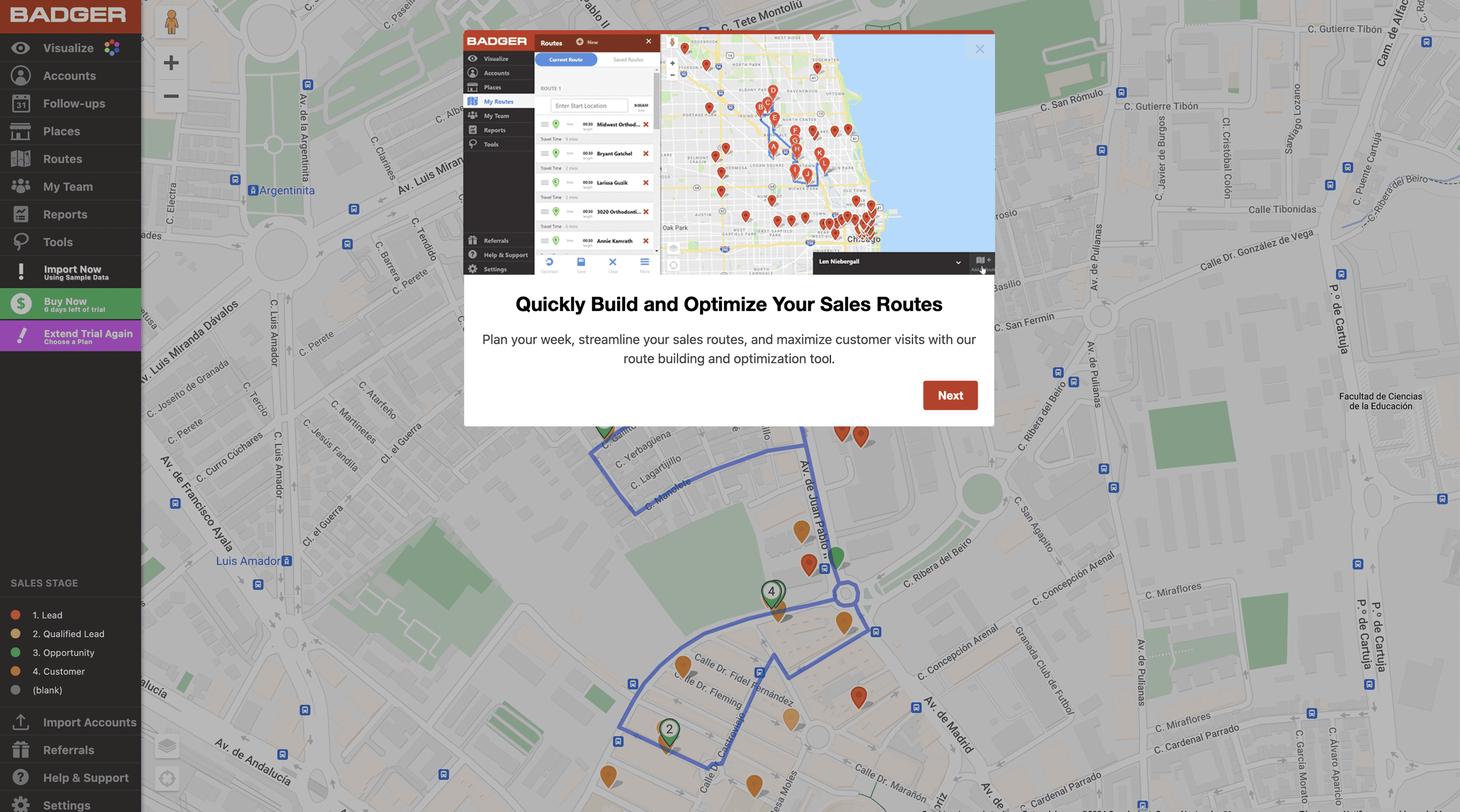
The proposed onboarding aims to improve the app's user experience by making navigation and product understanding clearer and more intuitive. A design overhaul was presented while maintaining some of the positive aspects of the previous process.
Innovations like the possibility of selecting an user profile or business area were introduced. Depending on their choices, the onboarding would branch out and lead users on different paths in order to better tailor their experience.
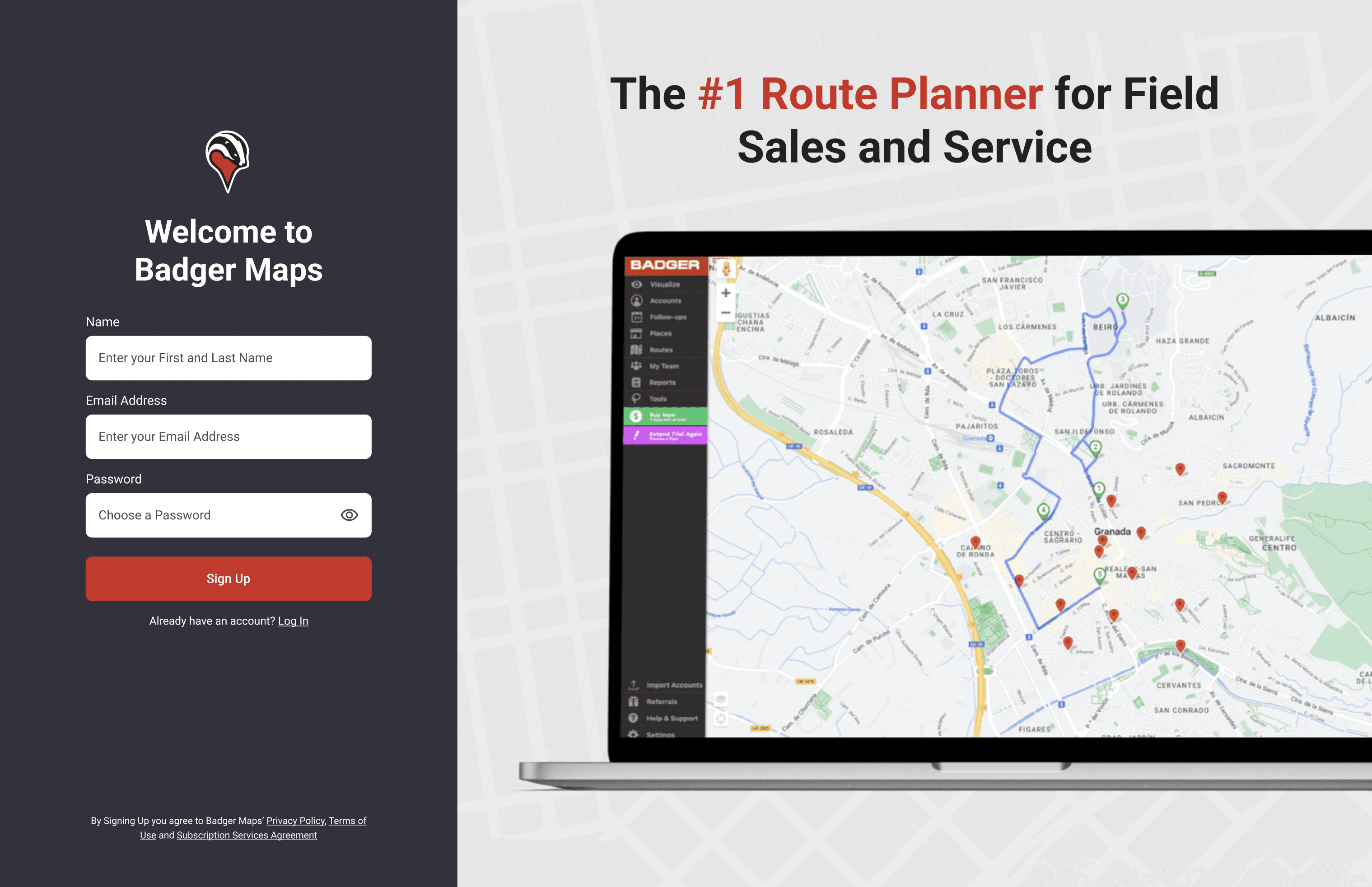
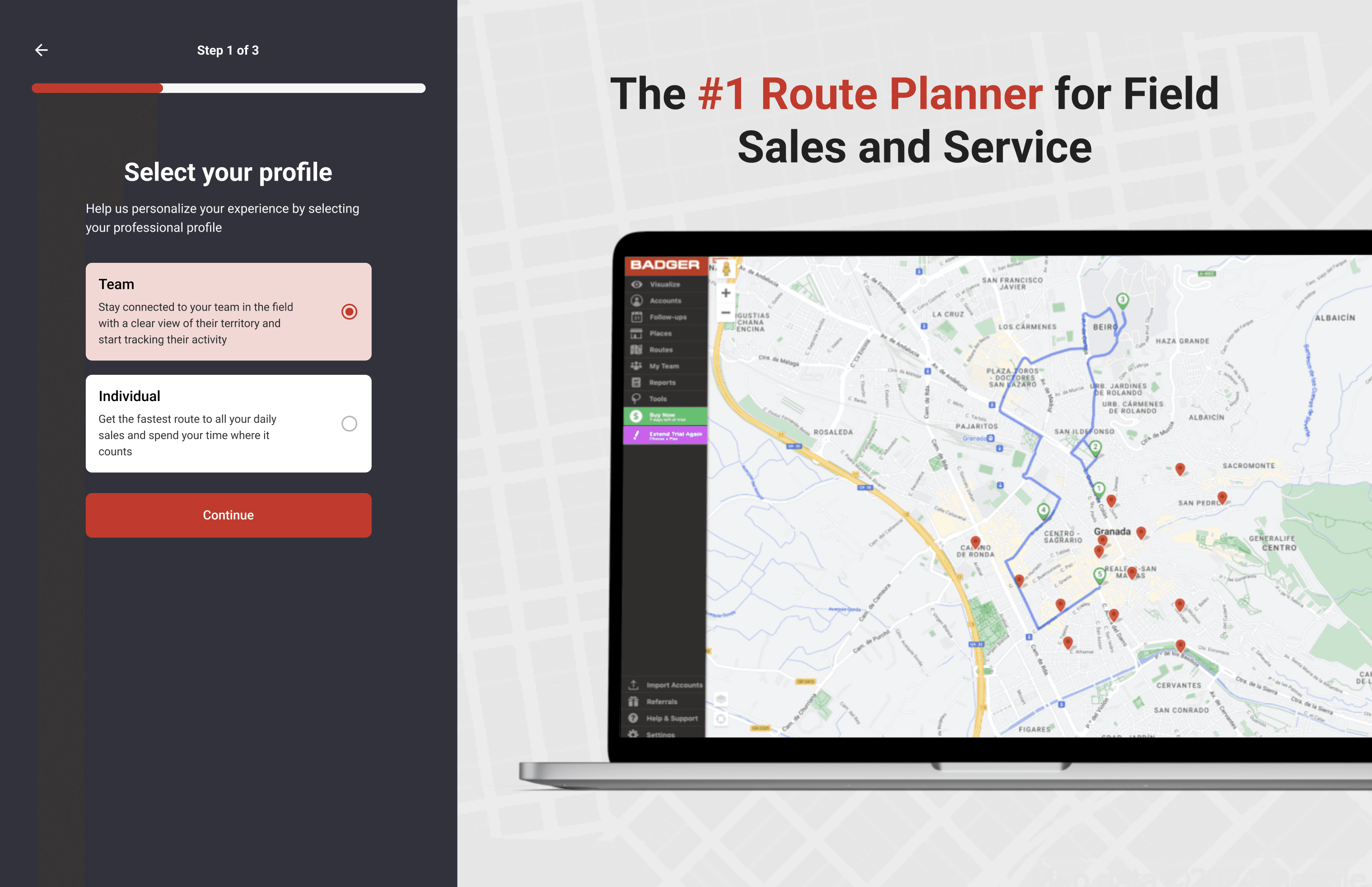
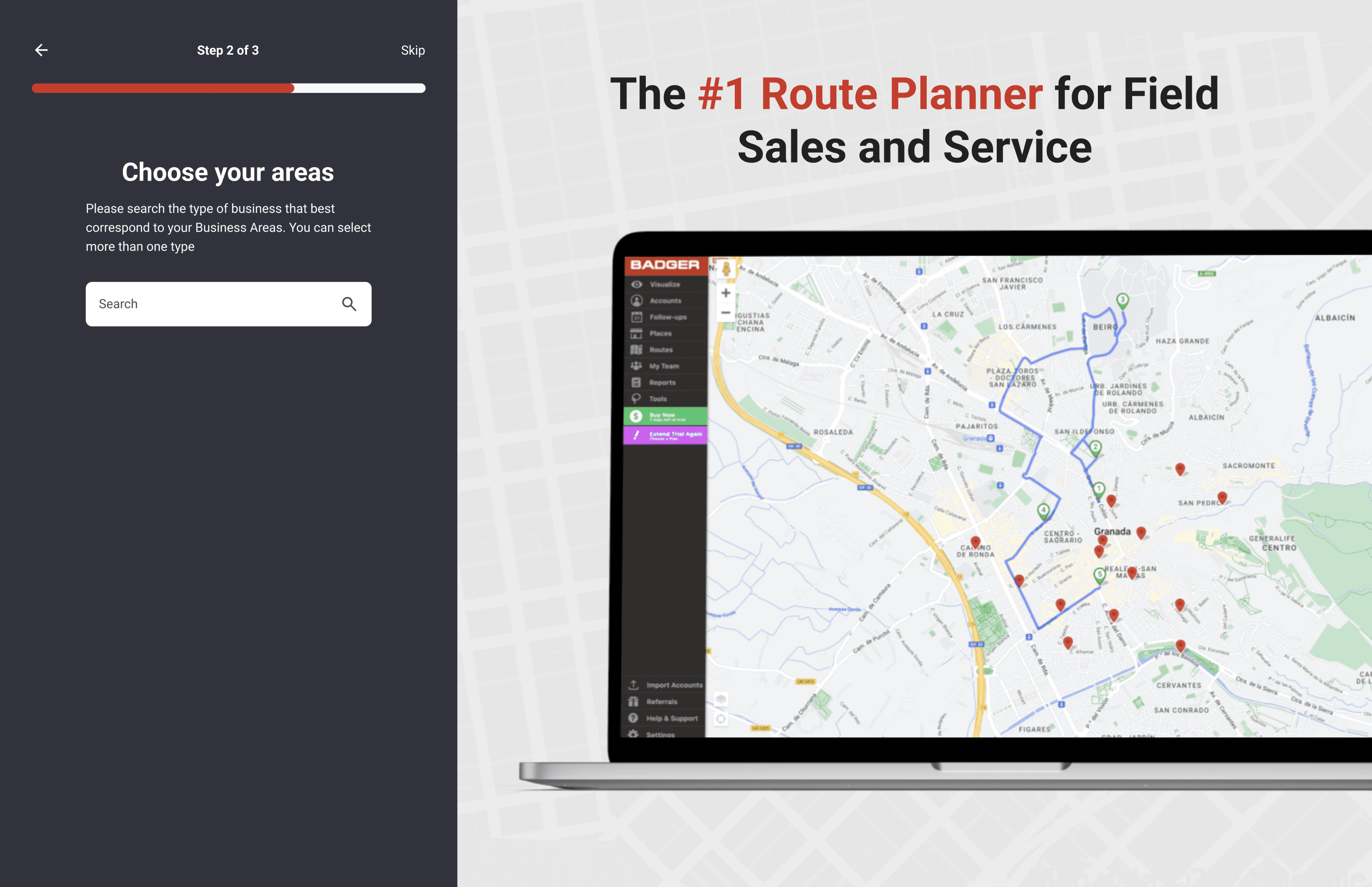
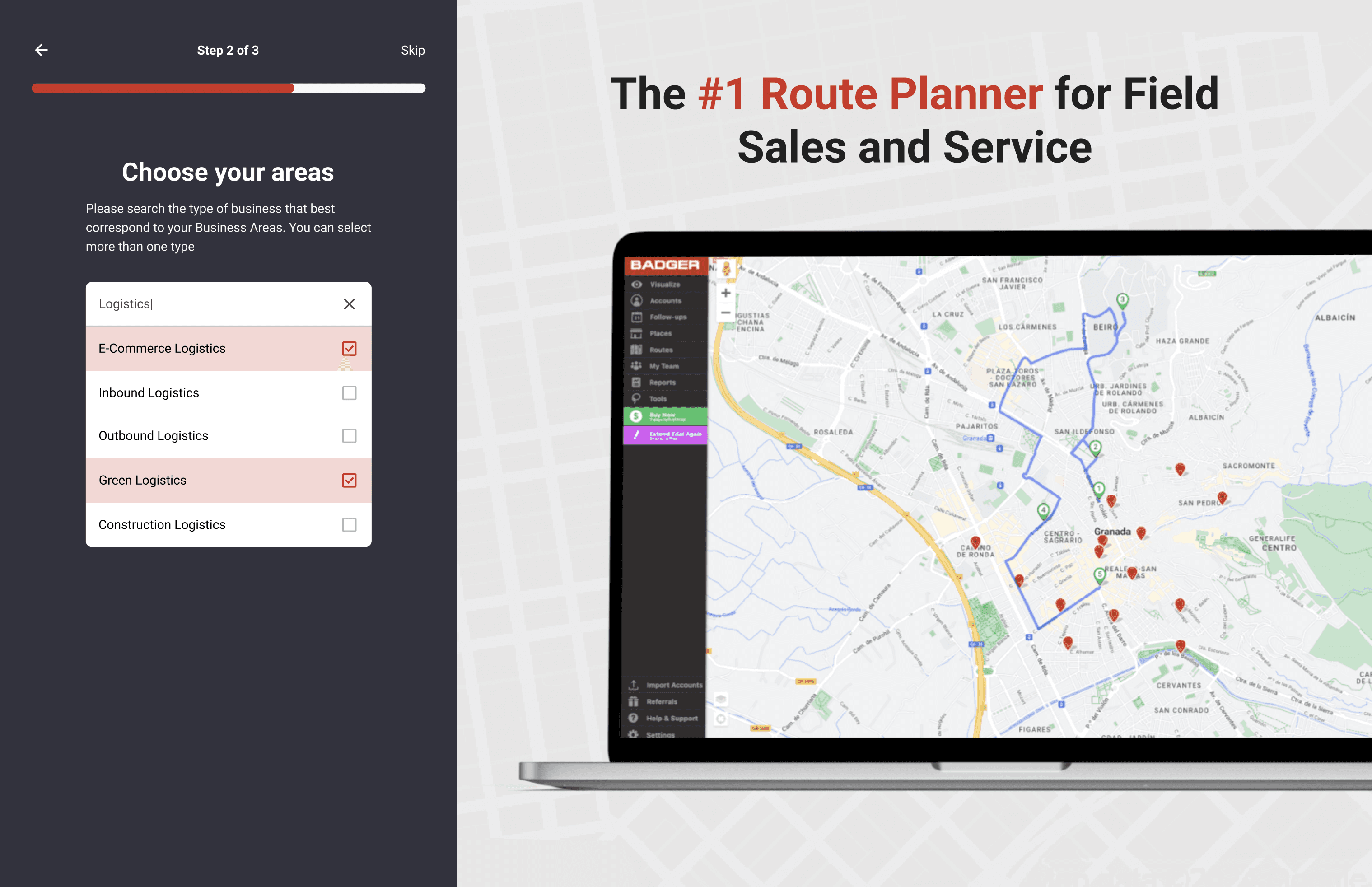
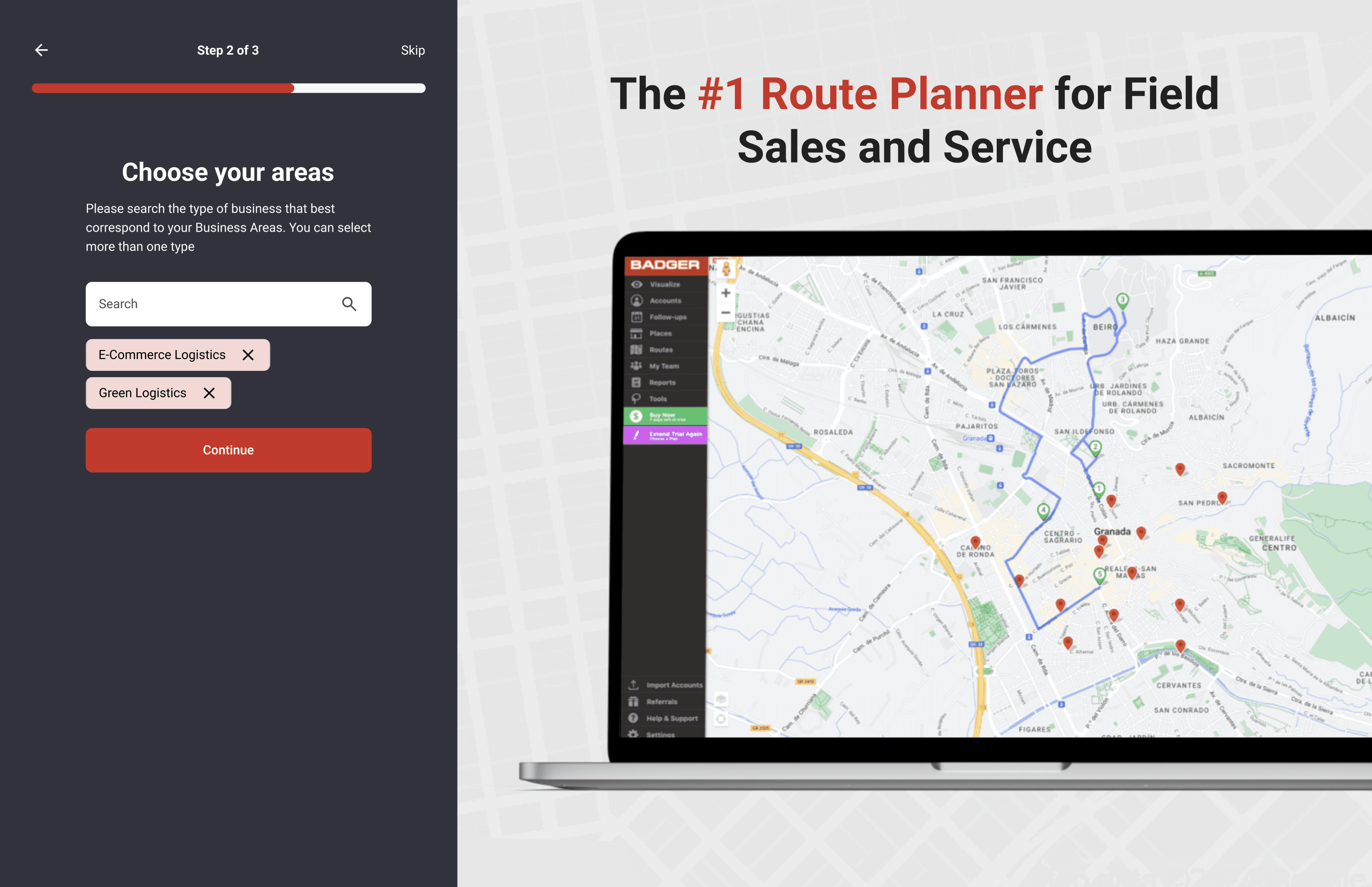
Skippable flow
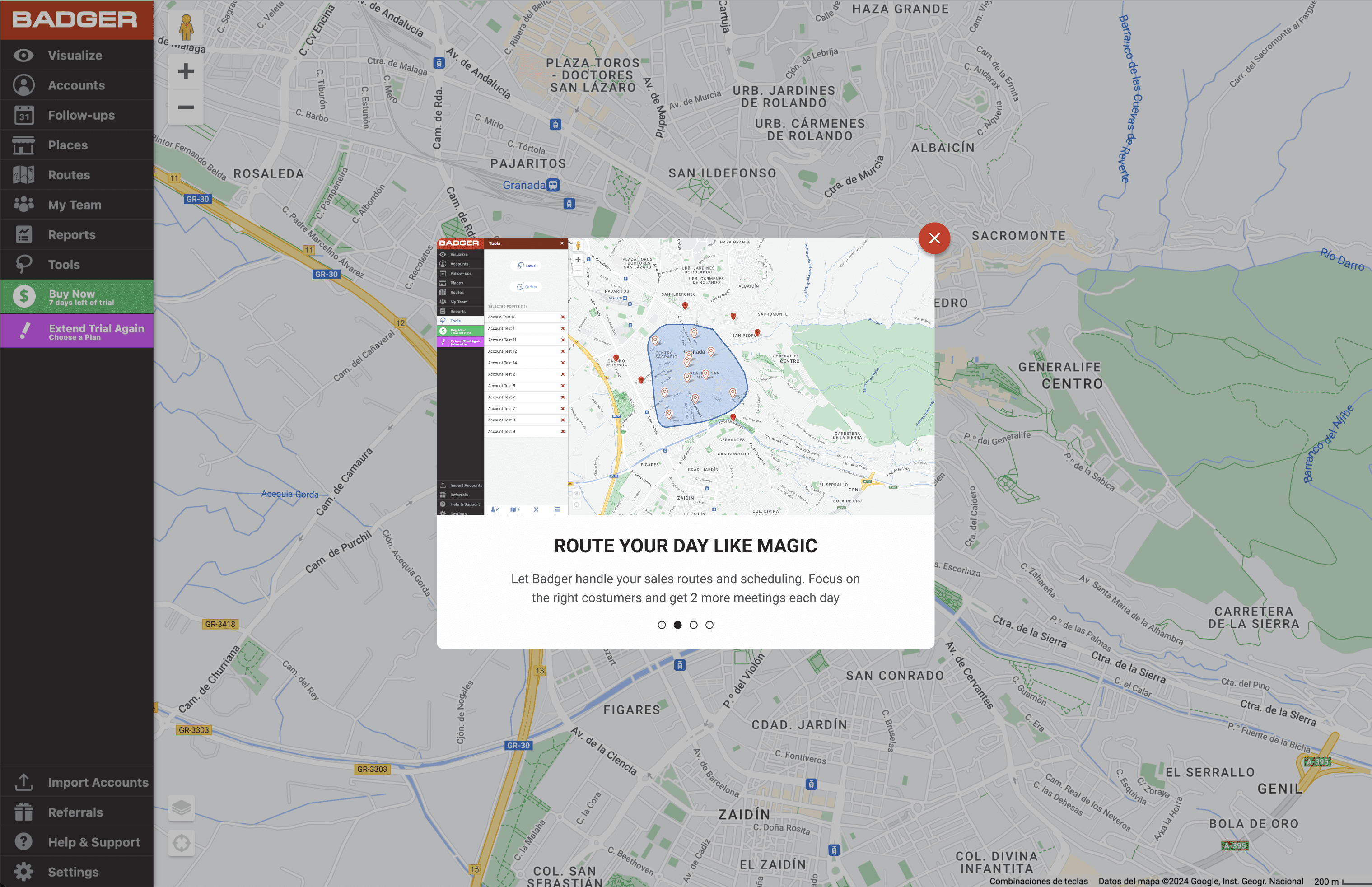
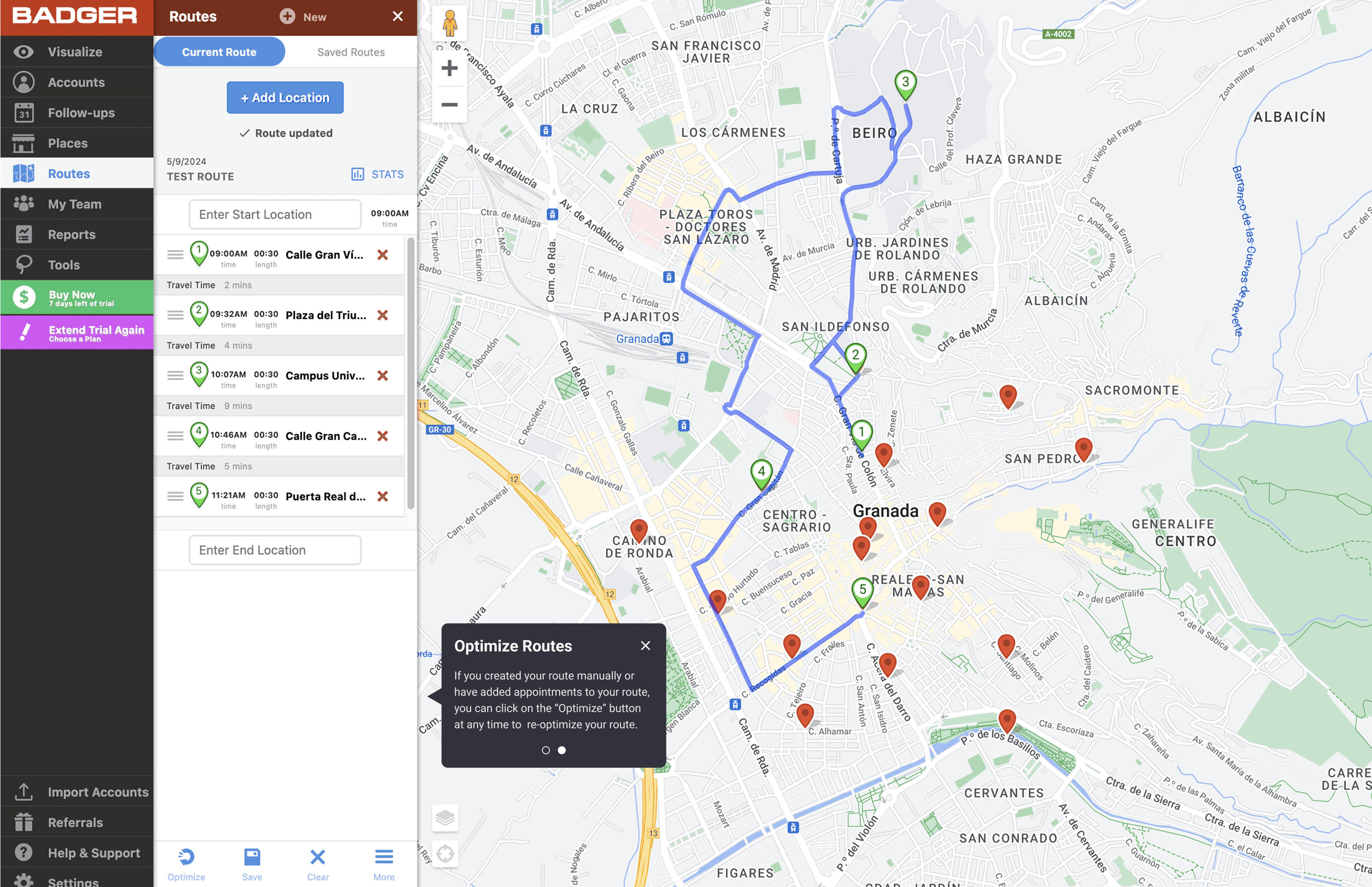
Once the users have created their account, a brief set of tutorial screens would appear whenever a user access a certain section or feature for the first time, instead of all appearing on sequential order.
This avoids breaking the rhythm of the onbaording flow. It could also be skipped and revisited later on if needed.
Free Trial
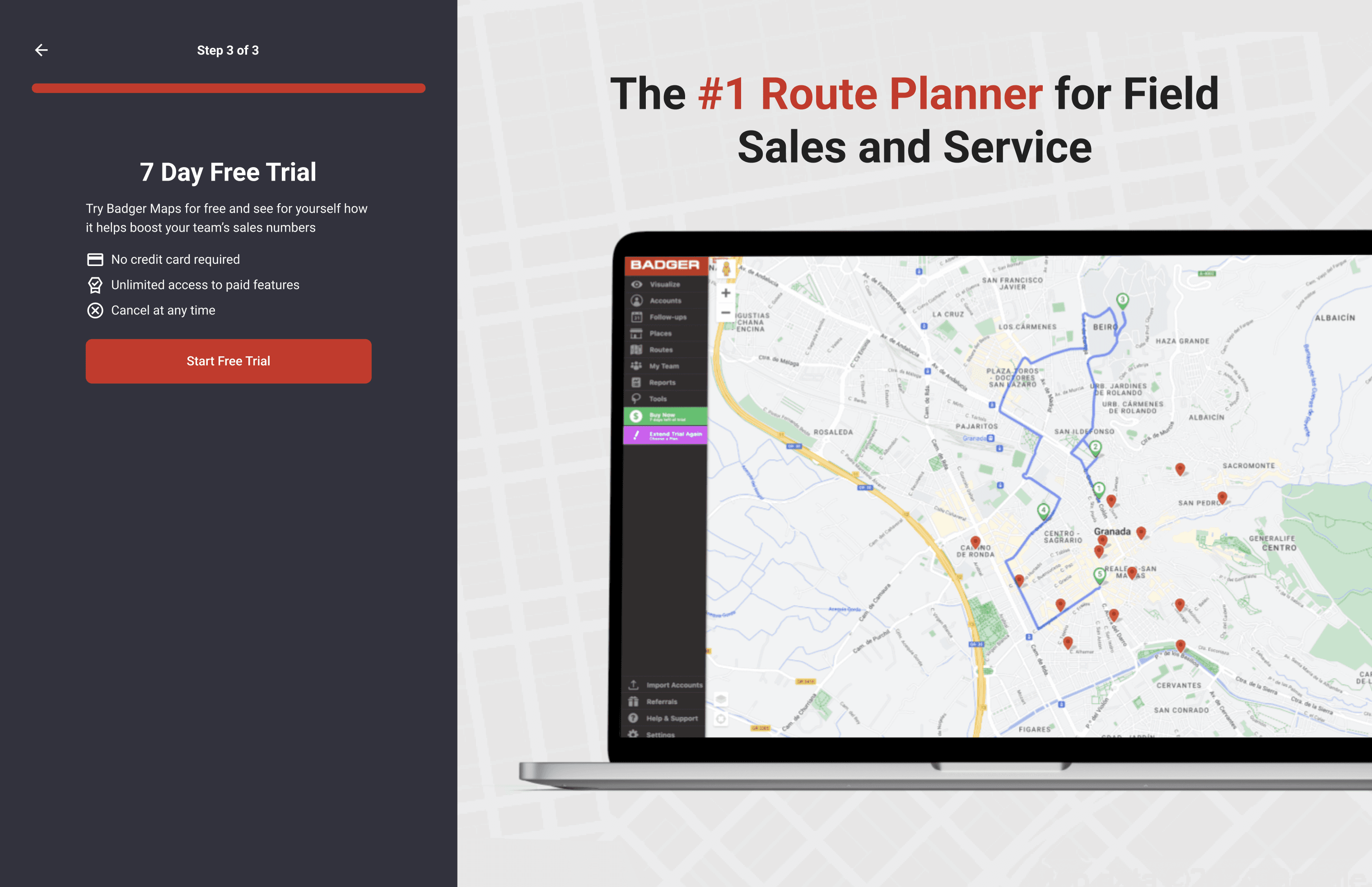
One of the main problems of the previous onboarding was that users were asked to submit information needed to extend their free trial before they even had the chance to use the app. This caused unnecessary friction since users had the impression that they would be able to access the app after creating an account. Furthermore, there was no option of skipping this step.
To solve this, the possibility of extending the free trial appeared only after the 7-days period ended. All the information regarding the free trial was shown in the previous step.
Conclusion
This proposal aims at improving the user experience during the onboarding with a more intuitive and user centered approach. It is flexible and scalable so that it can evolve in future iterations. Extensive user research and testing is still needed.